Connections Between Reel Spinning Patterns, Digital Wallet Protections, and Voluntary Play Limits on French Smartphone Casino Interfaces
Écrit par Devon Carter · 13/9/2026

Connections Between Reel Spinning Patterns, Digital Wallet Protections, and Voluntary Play Limits on French Smartphone Casino Interfaces
Reel spinning patterns on French smartphone casino platforms operate through certified random number generators that determine symbol sequences across multiple paylines, and these mechanics connect directly with digital wallet protections that verify transactions in real time while voluntary play limits allow users to set session caps or deposit thresholds through the same mobile application. Observers note that interface designs in France integrate these three elements to comply with regulations from the Autorité Nationale des Jeux, which oversees online gambling operations and requires operators to embed responsible gaming tools within user dashboards.
Reel Spinning Mechanics on Mobile Devices
Slot games on French smartphone interfaces present reel patterns that cycle through animated sequences governed by algorithms tested for fairness, and developers often incorporate visual feedback such as near-miss indicators that appear when symbols align closely without triggering a payout. Data from regulatory audits shows these patterns remain consistent across iOS and Android applications because French law mandates identical RNG certification regardless of device type. Players access these games through apps that load reel grids optimized for touch screens, where swipe gestures or button taps initiate spins while background processes track frequency of play to feed into limit systems.
Digital Wallet Protections and Transaction Security
Digital wallets integrated into French casino apps employ encryption standards and multi-factor authentication that verify user identity before processing deposits or withdrawals, and these protections extend to features like instant transaction alerts sent directly to registered mobile devices. Research indicates that operators partner with payment providers to implement geo-fencing which restricts wallet access to French IP addresses, thereby aligning with national licensing requirements. Transaction logs generated through these wallets feed into centralized databases that cross-reference spending activity against voluntary limits set by the account holder.
Voluntary Play Limits as User-Controlled Features
Voluntary play limits on French smartphone interfaces let users establish daily, weekly, or monthly boundaries for time spent or funds wagered, and these settings activate automatically once thresholds approach because the platform pauses reel spins and blocks further deposits until the period resets. Studies conducted by French research institutions reveal that players who activate these tools show measurable changes in session duration when the interface displays remaining limit counters alongside active reels. The system records each adjustment in a secure log accessible only through authenticated wallet credentials, creating a closed loop between spending controls and payment verification.
Interconnections Across the Three Elements
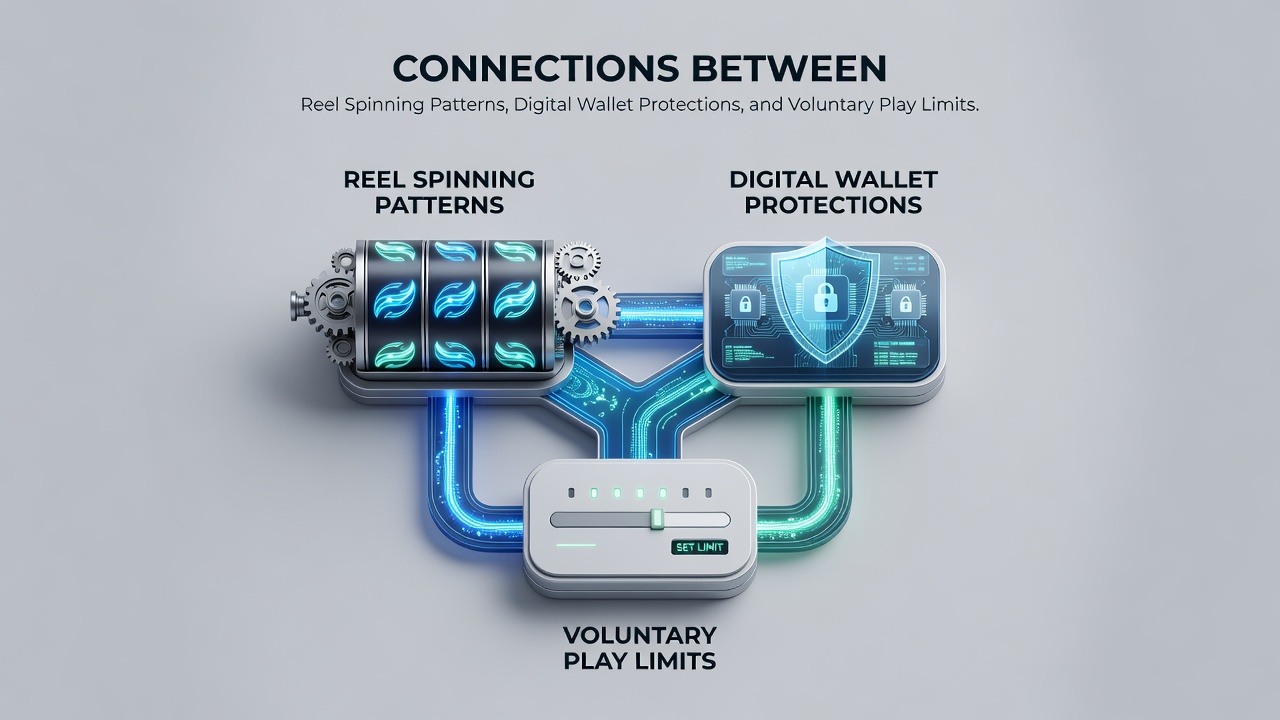
Interface architecture in French casino applications links reel spinning data with wallet activity and limit enforcement through backend APIs that pause gameplay when a user nears a preset boundary, and this integration appears in September 2026 updates where operators introduced unified dashboards displaying real-time reel statistics next to wallet balances and remaining play allowances. According to figures released by the Autorité Nationale des Jeux, correlation reports from licensed platforms demonstrate that accounts with active voluntary limits record fewer high-frequency spin sequences during protected wallet sessions. Developers achieve this connection by embedding monitoring scripts that trigger visual cues, such as dimmed reel animations, when digital wallet protections detect unusual transaction patterns that conflict with user-defined caps.
Regulatory Context and Platform Compliance
French regulations require all smartphone casino operators to maintain auditable connections between gameplay mechanics, payment security, and self-imposed restrictions, and compliance reports submitted to authorities in 2026 detail how reel pattern algorithms interface with wallet verification modules to enforce limits without interrupting core functionality. Academic analyses from European gaming research centers highlight that these integrated systems reduce instances where players exceed chosen thresholds because the platform enforces pauses at the code level rather than relying solely on user-initiated stops. Operators update these connections through over-the-air patches that synchronize reel RNG outputs with wallet authentication tokens and limit counters stored in encrypted app memory.
Technical Implementation Details
Smartphone interfaces achieve synchronization by routing spin requests through a central compliance engine that checks current wallet status and active limits before rendering reel animations, and this process occurs in milliseconds to maintain seamless user experience. Data logs generated during these checks capture reel outcome distributions alongside transaction timestamps and limit utilization rates, allowing operators to generate compliance summaries for regulatory review. In practice, users encounter these connections when attempting a spin that would breach a voluntary cap, at which point the interface displays a wallet-protected notification instead of continuing the reel sequence.
Conclusion
The connections between reel spinning patterns, digital wallet protections, and voluntary play limits on French smartphone casino interfaces rest on shared data pathways that regulatory frameworks mandate for licensed operators, and September 2026 platform revisions strengthened these links through enhanced API coordination. Evidence from oversight bodies and technical audits confirms that such integration supports consistent enforcement across mobile sessions while preserving the operational integrity of each component.